Showing posts with label Eggplant. Show all posts

Friday, March 31, 2017

March in the Edible Garden


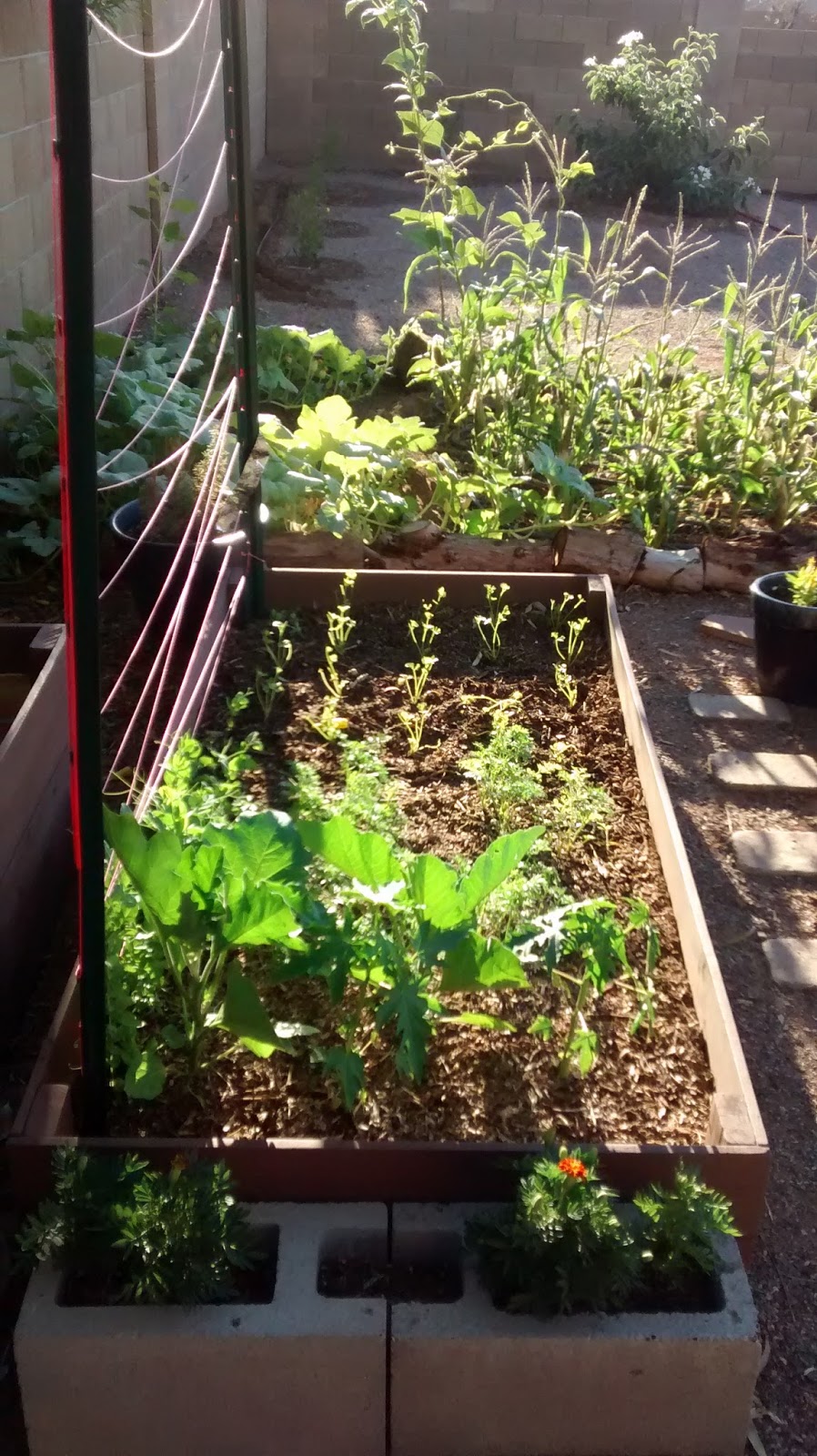
It's easy to take more photos of my flower gardens than my vegetable garden. Especially now when everything is small and just beginning for this season. I was pleased with the harvests with the fall garden and while some of those plants are still producing (garlic, cilantro, tomato, carrot, green onion, basil), I tore out a few crops when the weather warmed up (Celery, turned out tough and small) (Snap peas and lettuces, kale, spinach, eggplant) to make room for Armenian cucumber starts from my friend Shirlee and pear tomato starts from my friend James and yellow bell pepper and patio tomato plants from A&P nursery. 


Volunteer Tomato plant from Fall 2016

Armenian Cucumber starts I will try to train up a trellis

Yellow Bell Pepper

Patio Tomato

Cantaloupe Melon from seeds planted 2/8/17, very slow to grow

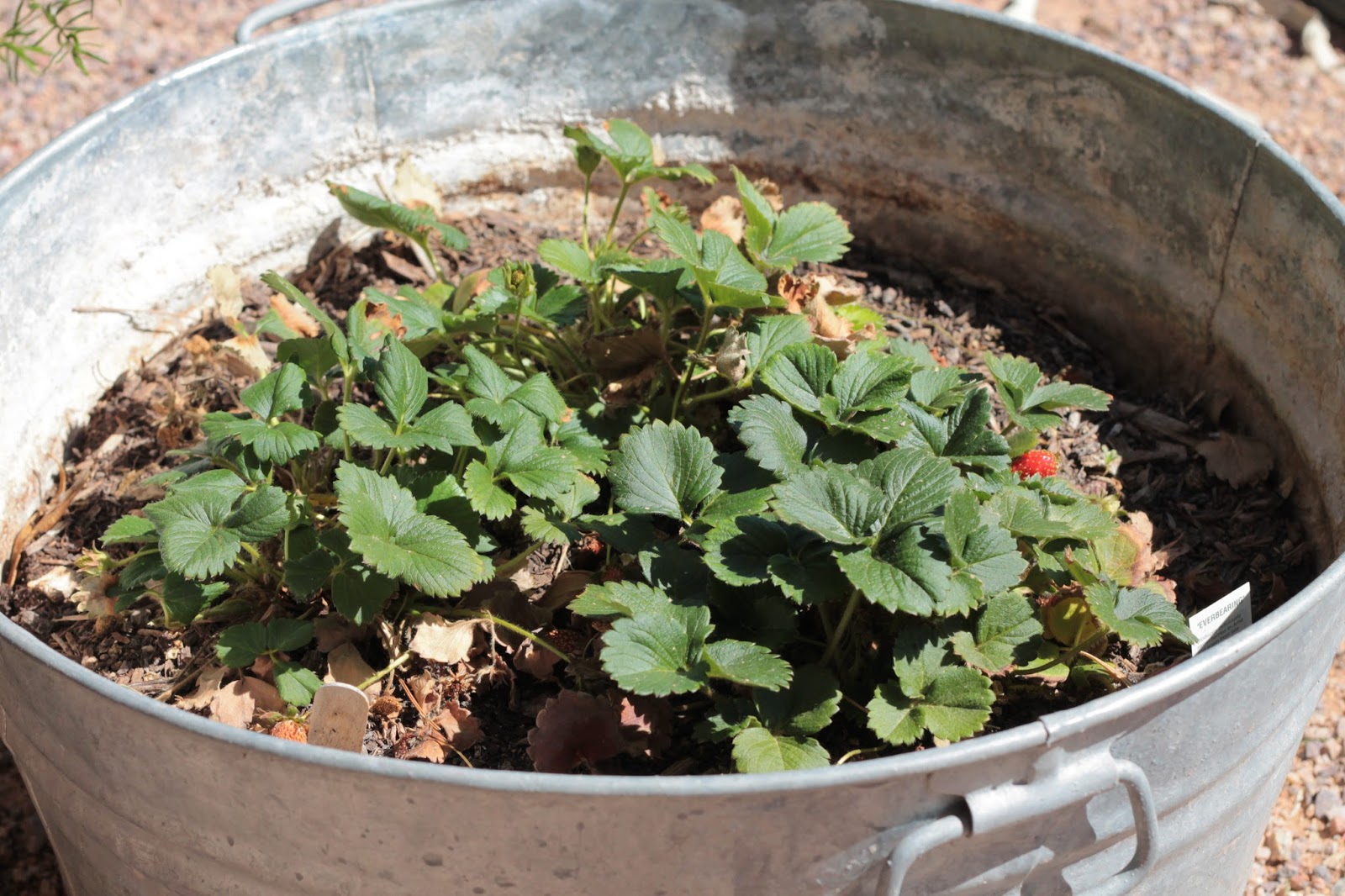
3 Strawberry plants from May 2016 starts
 I also purchased a few more trellises (raw metal ones in the lumber area of Home Depot, not sure what type of construction work they are actually intended for). In February, I planted luffa squash seeds after soaking them for 24 hours, but they never sprouted. I may try again. I also planted green bean (pole) seeds last week and they sprouted quickly but my tortoises got into them and ate them down to the ground. I am fixing that problem with an additional garden bed by the wall with the trellis.
We have harvested many tiny strawberries and enjoyed the deep flavor compared to store bought strawberries. I moved them back to a place in my yard where they receive afternoon shade since the weather has been hot lately. 

Strongest Papaya Tree

I still have my two Papaya trees growing near my garden. One had it's trunk broken (probably one of my children), but I braced it up with a bamboo stick and it is still alive. I water them infrequently and deeply. It will be exciting to watch them grow taller and determine their genders.


Monday, January 23, 2017

Beautiful Eggplant Plant

I have enjoyed growing eggplant, mostly because the plant itself is beautiful; large soft leaves, tall and self-supported shape, purple flowers and the glossy fruits.
Because our winter has been so mild, I have lucked out with an extended season for my two eggplant bushes. We have eaten many of the fruits and while they are not anyone's favorite, I have made some dinners that were enjoyed (by my husband and I, not our young children).
Here are some detailed photos of the plants taken January 2017.


A Harvest, the one on the left was past the best time to pick, it was no longer glossy & purple.


A harvest in December 2016

Wednesday, December 14, 2016

In November

In November, my Chitalpa Tree bloomed the first time (planted March 2016)...


Eggplants bloomed, set fruit and are growing beautifully...


Several delicious strawberries were enjoyed...


Two dinners of green beans were harvested from my 4 remaining pole bean plants, as well as green onions...


Our slow-poke pumpkin had to be harvested prematurely since the vine was overtaken by white flies and my attempt to kill them with soapy water killed the vine...


A beautiful tortoise-banquet grows, complete with dandelions, allysum, dichondra, lettuce varieties, ruellia, weeds and grass. But of course the tortoises have been underground and are not getting to enjoy it.


The garden is doing well. I don't have adequate time to blog about it, but I will try to post more about December progress soon. The weather has been nice and has prolonged the season for some of my plants. I love what I have going on in my garden!

Tuesday, October 25, 2016

October Plants Growing!

October is a great growing month in Mesa. The weather has cooled just enough to allow the plants some relief and more rapid growth before the cold comes later in the year.
I wish I had more time to record things I am learning and observing, but I will try to sum up a few of the most important progress that has been happening.


Pumpkins: I have two beautiful pumpkin plants that survived (some didn't grow fast enough so I plucked them out to make room for the others and one got attacked by white flies.) The two survivors have sprawled themselves out and provide a lot of green to my garden area. I have been watching as the male flowers came, followed by the female flowers and then I pollinated female flowers in the early morning when they opened. The first several flowers that I pollinated shriveled and fell off, but then I stopped using a small paint brush to get the male pollen to the female flower and started removing the male flowers, pulling off the yellow petals and placing the male stamens into the female flower directly, which has had success. Although we won't have our pumpkins by Halloween like I was hoping, we have 2-3 pumpkins from one plant that are growing currently. I will plan to try again with pumpkins earlier next year. June/July are the best times to plant them from seed and I was a little late.

male pumpkin flower

Female pumpkin flower barely opened
Pumpkin growing several days after pollination, mid-Oct
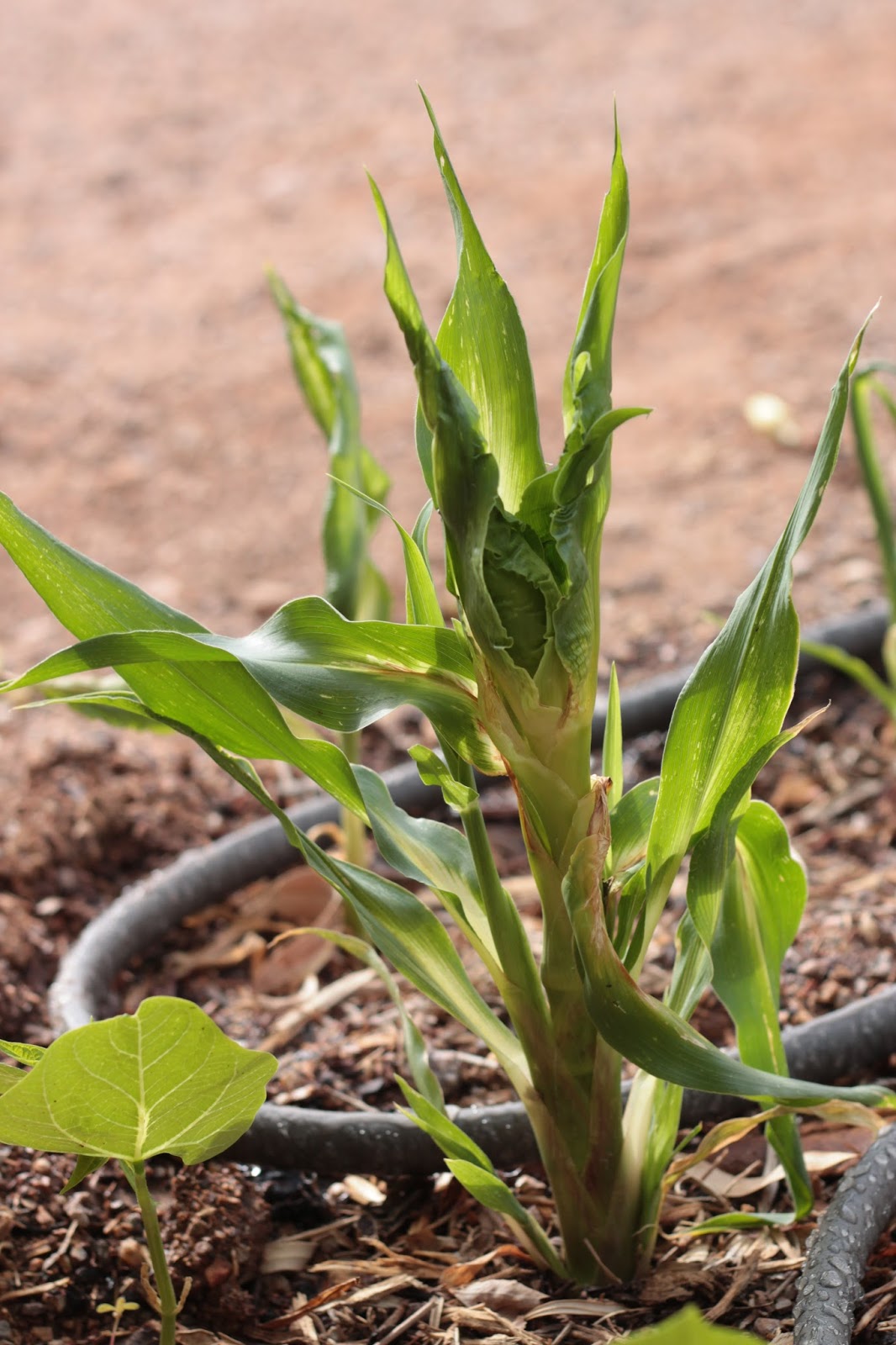
Corn: My corn grew very short this season, which I learned that it is normal for fall corn to be shorter than spring corn. But, my corn is definitely shorter and less developed than it should be and I have blamed that on the poor soil (herbicides in our backyard dirt from an application before we purchased the home). Many of the corn stalks grew in a twisted way that would cause the leaves to trap the new growth and tassels until I broke it free. Basically, the growth was either stunted or deformed in most of the corn. Although a decent crop of corn looks unlikely, I have still done my best helping the pollen from the tassels reach the silks on the developing corn. It will be interesting to see in the next few weeks what has grown.


Early October 2016
Pole Green Beans: Shortly after my green bean plants sprouted, I discovered that my Russian tortoises like to eat the leaves and entire plants. I opted for a free way to keep them away by using firewood we had in our shed to create a garden barrier. The tortoises still manage to get into this area when they are especially hungry, so most of my green bean plants perished, but I still have several, one of which has grown very large. My grand plan of using my corn stalks to support my pole beans didn't work out as expected since my corn stalks stopped growing at about 3-4 feet tall. I found some bamboo support sticks that go up to 6 feet and are supporting 2 of the larger pole green bean plants. One plant has gotten so large that it is using 2 stalks of corn, the pole and is now reaching up to neighbor's tree nearby the garden for further support. The white flowers on the green bean plant are so beautiful and delicate and the bees are very active on them. Next year I would like to plant beans again because they are so easy to grow and I love how they look. I also like that, as legumes, they fix the balance of nitrogen in the soil for the surrounding plants.

Green Bean flower, growing up corn
Celery: I live on the same street as a local farmer (Brother Garcia). He has given me a lot of advice on gardening and he came by with many celery starts last week, so I planted as many as I could make room for in my garden bed by the carrots and sweet peas and also in a large pot and then shared some with a gardening friend. He says they will be ready for harvest in January and that they are heavy feeders once the roots are visibly established, and no blanching is needed for this variety.

Eggplant: My eggplant bushes have really taken off in the last week. They are beautiful and gaining strength to support fruit soon. I hope they are able to produce before the cold hits.

I also have cilantro, spinach, lettuce varieties, carrots, sweet peas all growing from seeds and have not harvested yet.
The basil plant has been flowering and very attractive to the bees and I have been sharing basil with anyone who will take some. I am going to try and dry some basil leaves before the cold of the winter. Then, I will attempt to keep the beautiful plant alive during the winter, but have been told by another gardener that basil will not live through the winter.

My marigolds are looking beautiful and hopefully helping reduce the garden bugs.
I was having an ant problem in my garden beds a few weeks ago, so I tried creating a borax/sugar ant bait and it seemed to reduce/eliminate the problem in the bed that I placed it in. I used a grape tomato container since it had perfect holes for them to access the bait. I learned how to make it from this youtube video.

Tuesday, September 13, 2016

July, August, September Progress & Failures

What would gardening be like with no failures? I seem to have a lot of them lately, but I won't let it get me down. A few lessons I have learned recently are 1. Don't store seeds in a hot garage. 2. My dirt in my yard has residue of herbicides.
The first lesson was an easy one to correct, although many of the seeds I planted did nothing and I will blame the hot storage location for most of that. What I am discovering about the dirt in my yard is less than ideal and I have little information about what it was sprayed with and how long I can expect to see deformed and stunted growth in my plants. From my research, when a harsh chemical is used to prevent weed growth (which I assume was completed before we moved in about a year ago), it can take a while, depending on weather and conditions, for it to no longer affect plant growth. Small deformed leaves are visible on my chaste tree, orange tree and corn stalks while I haven't been able to get a tomato plant to grow here after several different attempts. At this point, I am trying to improve the soil by adding organic materials and watering deeply to hopefully recover and improve soil quality. 

Corn seeds planted July 25th and soon after we had a large monsoon storm that had them under water for a few hours, very few germinated. (Half of what I planted were older seeds that had been stored in the garage, non of which germinated.)
Corn seeds planted Aug 8th, Aug 13th, Aug 16th (battling the birds who wanted to peck out each little seedling. Covered the area with netting, several reinforcements as birds would still get in, hung up CD's and flashing tape to deter them.

I planted seeds (all old) of bush green beans, cabbage, green onions, carrots, eggplant, squash, kohlrabi, tomatoes, cucumber and pumpkin all on August 15th. Of those plantings, the pumpkin, eggplant, corn and one squash plant are still living. 

Sept 1st, corn seedlings protected by netting
Sept 1st, Basil plant from Spring
Sept 1st, Marigold seedlings
Sept 1st, Pumpkin and sunflower seedlings protected from birds by netting, held up with paint stirring sticks.
 The photos below were taken today, Sept 13th. The corn looked normal when it was small, but as it has grown it has started twisting and curling, some stalks even pointing to the side instead of upward. I will watch and wait to see what it does and how it produces. 
I got an idea from an online gardener to plant pole green beans alongside the corn since legumes are nitrogen fixing and corn supplies a growing support for the beans. The green bean seeds were planted on Sept 3rd and are growing great. 
I have enhanced the soil with worm castings and a balanced granular fertilizer.
I pulled out the cantaloupe vines I had kept alive all summer since they were not producing any fruit. I appreciated the green and yellow they supplied for the summer months.

Sept 13th, Corn stalk, deformed and curly tips. Green bean on left.

Sept 13th, Green Bean planted by corn

Sept 13th, Pumpkin and sunflower

Sept 13th, Strawberries planted back in May, hoping they will start flowering now. I pinched off it's flowers all summer.

Last week I sewed cilantro and today I sewed lettuce (a variety) and spinach in the garden bed with my beautiful basil.